Find out where Da Giang is and how to trek to the stunning Ngoc Eye Lake. Explore routes, travel tips, and nature experiences from Mai Chau Hideaway.
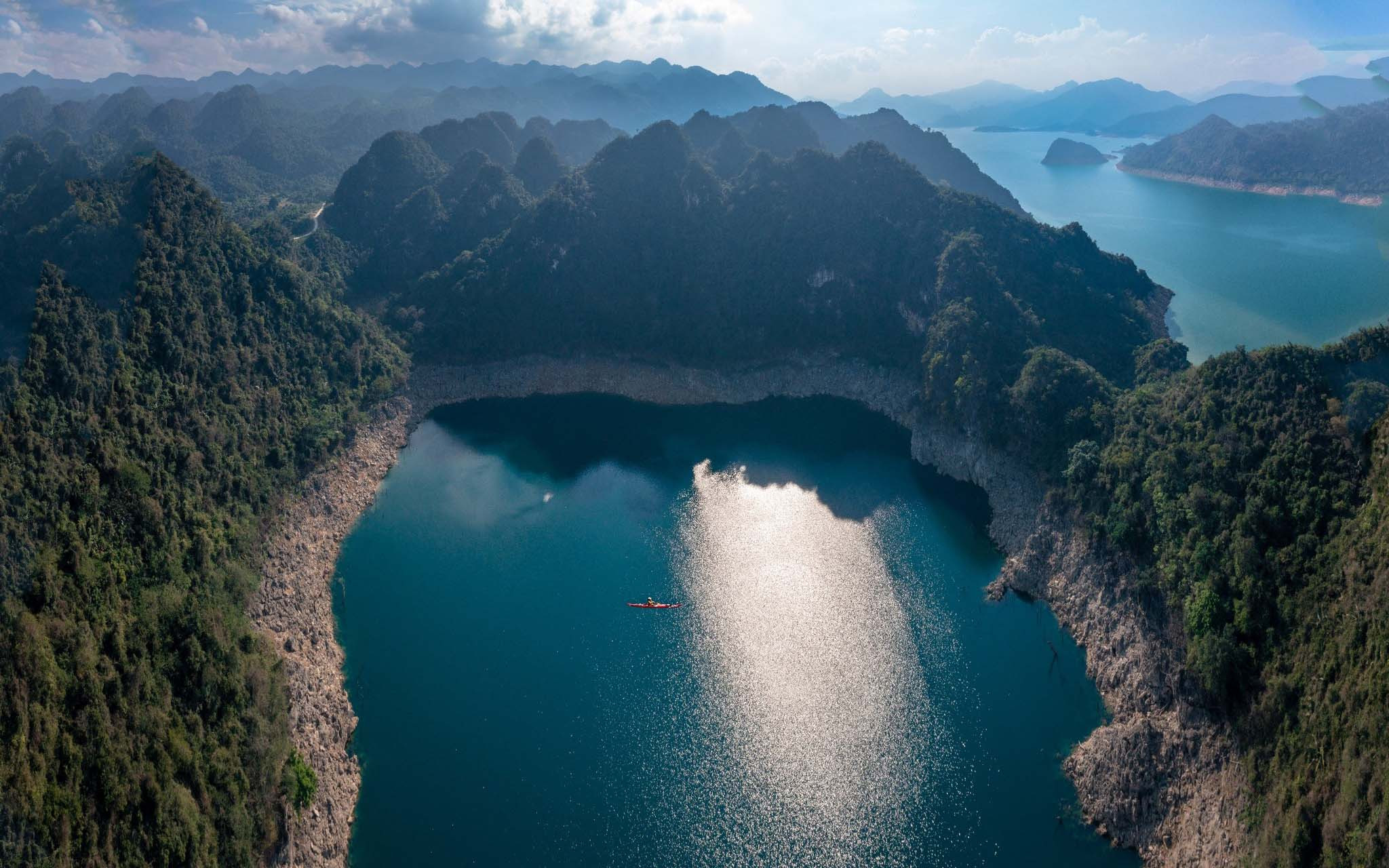
Where is Da Giang? (Source: Collected)
Ask a few recent visitors to northern Vietnam what surprised them most, and "Da Giang" keeps coming up - often described as the quiet, half-hidden counterpart to busier spots like Ha Long Bay or Tam Coc. If you're already based at Mai Chau Hideaway Lake Resort, you're closer to this trail than almost anyone else reading about it online, and this guide walks you through exactly what it is, how to reach it, and what to expect once you're standing on the shore of its most photographed lake.
Where Is Da Giang, and Why Is Everyone Suddenly Talking About It?
"Da Giang" is simply another name for the Da River (also written as the Black River), a major waterway that begins in Yunnan, China, and cuts through the mountains of northwestern Vietnam before joining the Red River near Hanoi. Where this river passes through the Hoa Binh area, it was dammed decades ago to build the Hoa Binh Hydropower Plant, and the resulting backup of water formed today's Hoa Binh Lake - a sprawling reservoir dotted with small islands and framed by limestone peaks. So when locals say "Da Giang," they're really pointing you toward this stretch of river-turned-lake rather than a single fixed location on a map.
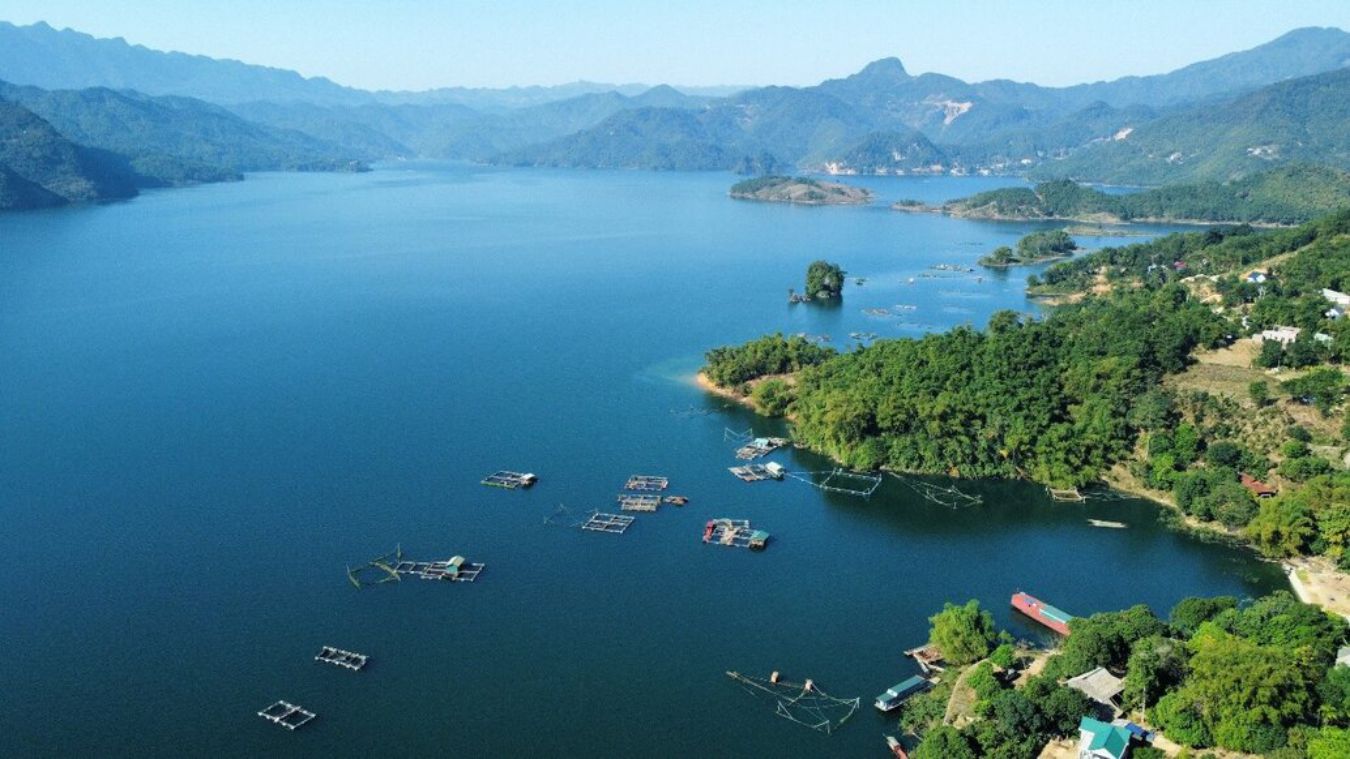
What visitors always talk about Da Giang? (Source: Bao Lao Dong)
The specific area travelers mean when they talk about "trekking Da Giang" is the Ngoi Hoa Bay zone near Ngoi hamlet, home to a striking hidden lake known as Ngoc Eye Lake. As of July 2025, this area was folded into Phu Tho province following Vietnam's administrative boundary reorganization, so you may see it labeled differently depending on how recent your map or guidebook is. What hasn't changed is the terrain itself: a still-undeveloped pocket of northwestern Vietnam that has largely escaped the tour-bus crowds found elsewhere in the region.
What pulls people here isn't one single feature but a combination - clear jade-green water, dramatic limestone cliffs, and a noticeable absence of crowds compared to more famous lake destinations. Along the way, visitors get a boat ride across Hoa Binh Lake, a forest trek connecting the shoreline to the hidden lake, and a chance to see how Muong and Thai communities live day to day in this valley. It's this blend of scenery, culture, and light physical activity that has turned a fairly obscure trail into one of the most talked-about new additions to the northwestern Vietnam travel circuit.
The Real Draw: Why This Trek Has Become a Favorite Among Nature Lovers
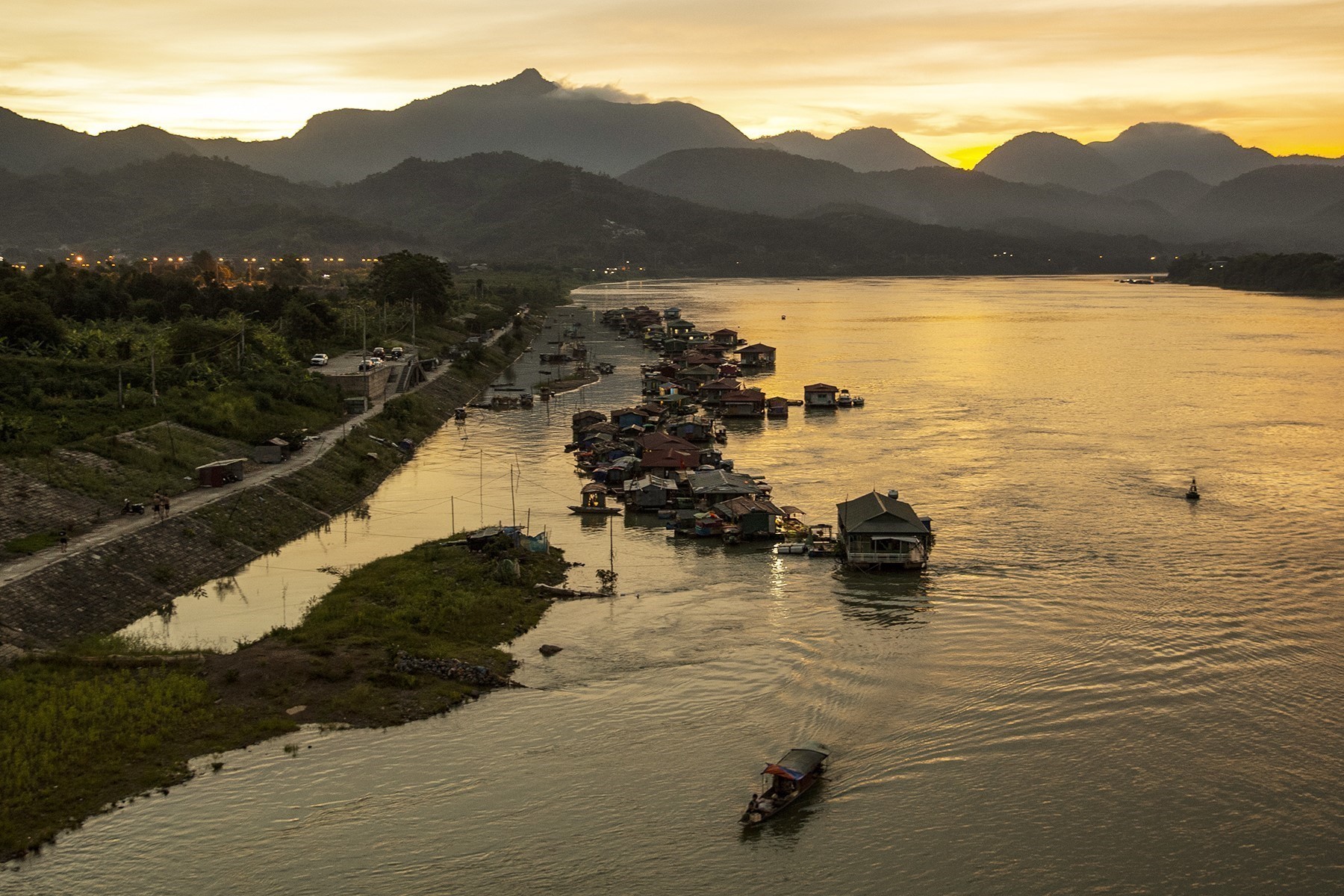
Da Giang become a favorite trekking route with visitors (Source: Bao Anh Viet Nam)
The most practical reason Da Giang keeps appearing on travel shortlists is distance - it sits a little over 100 kilometers from central Hanoi, which usually works out to around 1.5 to 2 hours by road. That's short enough to fit into a single day trip, yet far enough that the area hasn't been overrun the way closer, more accessible destinations often are. For travelers already staying in the Hoa Binh region, as you likely are, that travel time shrinks even further, making this one of the easiest "hidden gem" experiences to add to your stay without reshuffling your whole itinerary.
Beyond convenience, the landscape itself does a lot of the work. The lake's water stays genuinely undeveloped-looking, hemmed in by forest and limestone rather than resorts or restaurants, which gives the whole route a sense of discovery that's harder to find at more commercialized lake destinations in Vietnam. Visitors consistently mention how quiet the trail feels - no queues, no loudspeakers, just birdsong and the occasional sound of a boat engine drifting across the water from a distance.
What really sets this trek apart, though, is how much it packs into one trip. A single outing can include a scenic boat ride across Hoa Binh Lake, a moderate forest walk, a swim or paddle at the hidden lake, and an informal introduction to Muong and Thai village life - four distinct experiences most destinations would split across separate excursions. For photographers, campers, and anyone who simply wants a slower-paced day surrounded by nature, this combination is a large part of why the route has built such a loyal following among recent visitors to the region.
Ngoc Eye Lake: The Hidden Gem at the End of the Trail
Ngoc Eye Lake (Mat Ngoc Lake) is the payoff most people are trekking toward, and it's worth knowing before you arrive that it goes by several names depending on who you ask - Dragon Eye Lake, Fairy Flower Lake, and Fairy Pond Lake are all used interchangeably by local guides and tour operators. The lake sits tucked inside a valley, walled in on all sides by limestone cliffs and thick forest, which cuts it off almost completely from outside noise and gives it an unusually still, enclosed feeling compared to open reservoirs like Hoa Binh Lake itself.
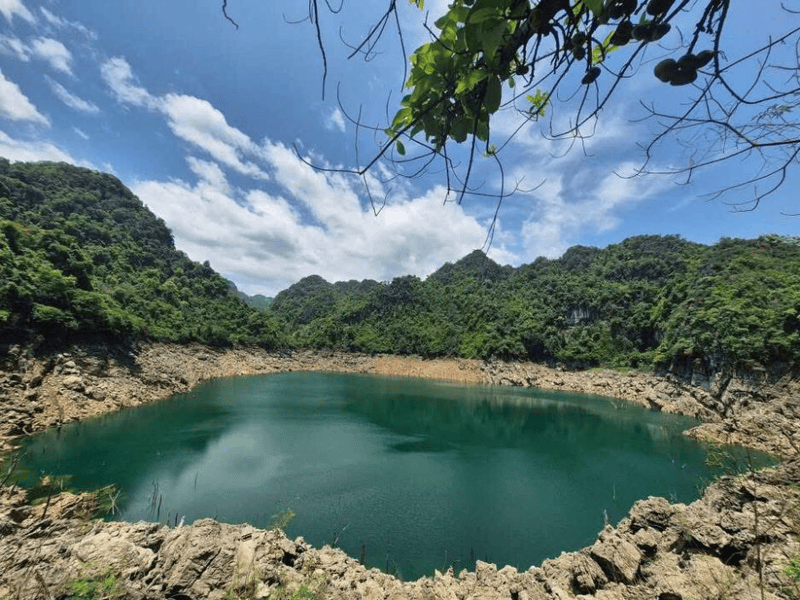
Da Giang become a favorite trekking route with visitors (Source: Bao Anh Viet Nam)
The first thing that tends to stop people in their tracks is the color of the water - a clear, jade-toned green that shifts noticeably depending on the angle of the sun and the time of day. Because water levels here are connected to Hoa Binh Lake nearby, the surface can rise or fall slightly with the seasons, but it almost always stays calm enough to mirror the surrounding cliffs and sky with striking clarity. It's easy to see why so many travelers end up sharing photos from this exact spot; the reflection alone does most of the visual work.
Once you're there, there's more to do than simply look at the view. Depending on conditions, many visitors go for a swim, paddle out on an SUP board or kayak if a local operator has one available, or just sit quietly and take in the birdsong and stillness after the walk in. Because this is a natural, unmanaged body of water, conditions can vary from one visit to the next, so it's worth listening to your guide's advice about where it's safe to swim or paddle on the day you visit rather than assuming last week's conditions still apply.
Getting There: From Hanoi to the Boat Launch
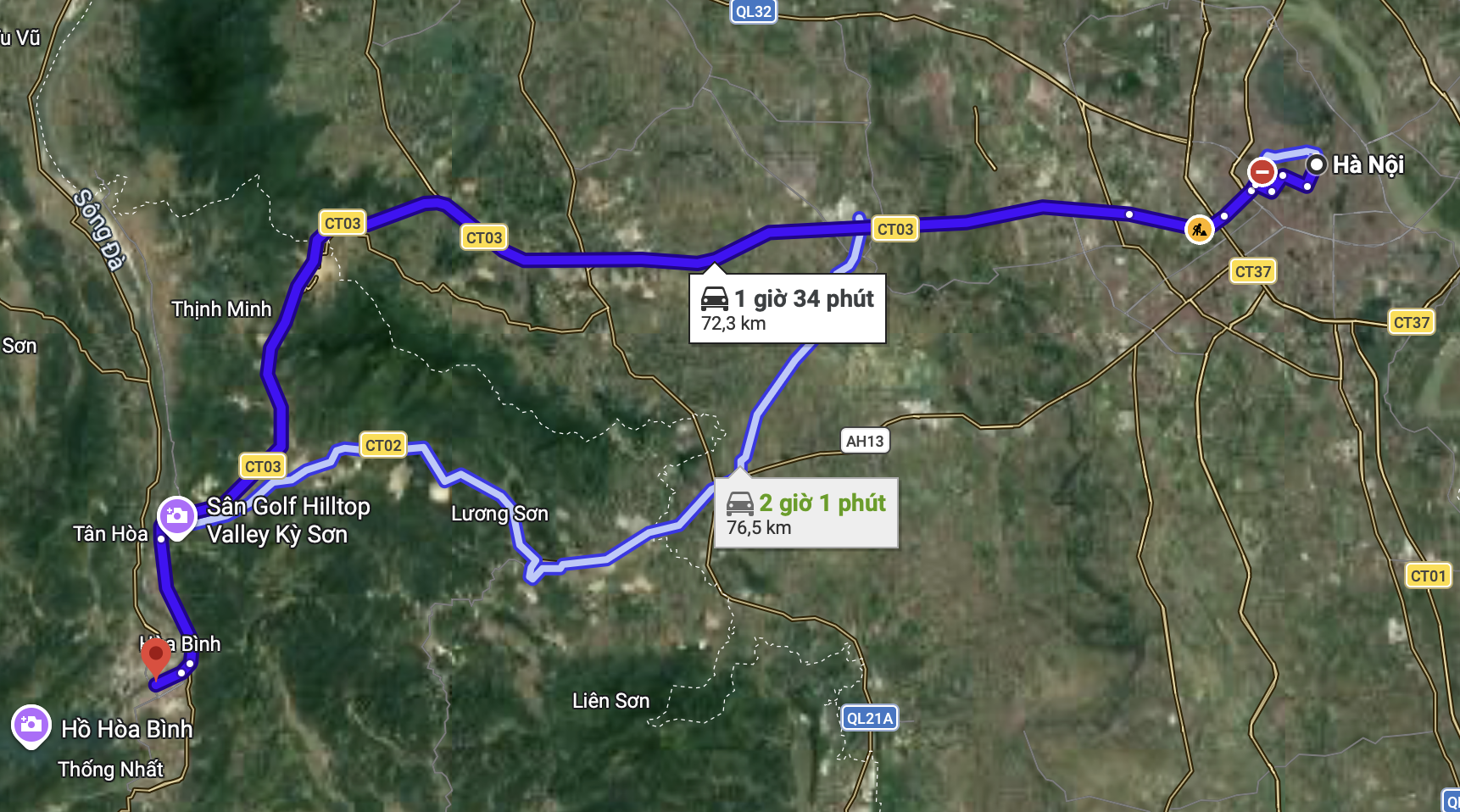
Map showing the distance from Hanoi to Hoa Binh Lake
Reaching Da Giang and Ngoc Eye Lake isn't a single straight road trip - it involves getting to the Ngoi Hoa Bay area first, then switching to a boat to cross Hoa Binh Lake before the trekking portion even begins. From Hanoi, the drive to the boat pier covers roughly 100 kilometers and typically takes 1.5 to 2 hours, depending on traffic and which route you take. If you're setting out from your resort in the Hoa Binh area rather than Hanoi, you'll likely cut a significant chunk of that driving time simply because you're already in the region.
Travelers generally choose between three ways to get to the pier. Driving yourself, whether by motorbike or car, gives you the most flexibility and lets you set your own pace, typically following National Highway 6 toward the Hoa Binh Lake area before continuing on to the Ngoi Hoa pier or a nearby departure point. Taking a public bus toward Hoa Binh or Son La from one of Hanoi's main bus stations is a lower-cost option, though it requires switching to a taxi or motorbike taxi for the final stretch to the pier, which adds a small amount of planning on your end.
The final leg - the boat ride itself - is arguably the best part of the journey and shouldn't be rushed. Motorized boats cross Hoa Binh Lake in anywhere from about 30 minutes to just over an hour, depending on your exact starting point, giving you sweeping views of the small islands, cliffs, and quiet coves along the way before you even set foot on the trekking path. Because travel time on the water can shift with lake levels and weather, it's a good idea to book your boat in advance if you're traveling with a group or planning to go on a weekend.
How Hard Is the Trek, and Is It Right for You?
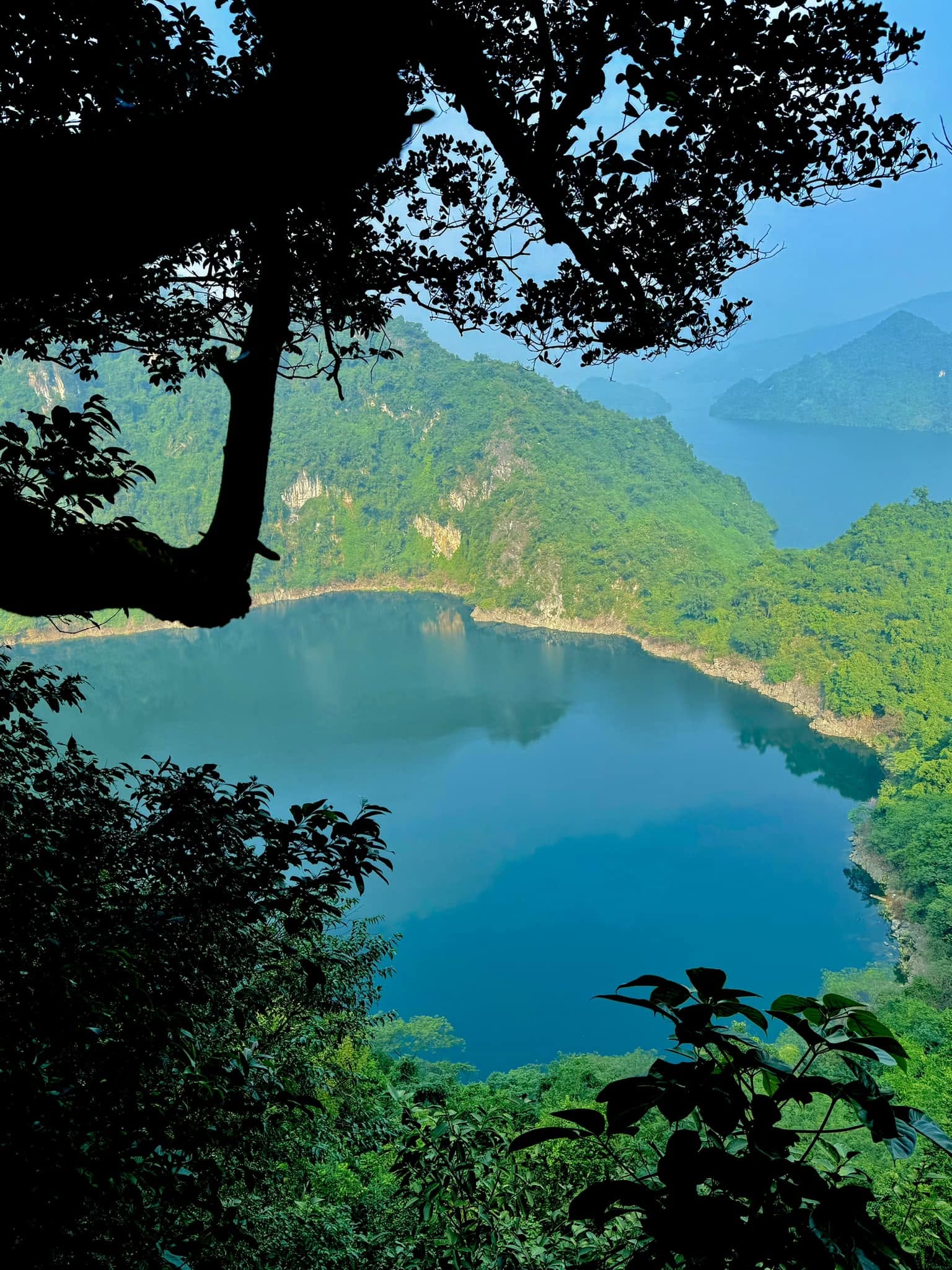
Actually, the walk to Ngoc Eye Lake is more comfortable for newbie (Source: Collected)
Compared to many other trekking routes in northwestern Vietnam, the walk to Ngoc Eye Lake sits comfortably in the easy-to-moderate range, meaning most travelers with an average fitness level can complete it without special training. The path isn't especially long, and it doesn't require any climbing gear or technical skills, though you should expect a few steeper sections and patches of dirt or loose rock that can turn slippery after rain. Sturdy, grippy footwear and a willingness to follow your guide's lead on tricky sections are really the only requirements.
This accessibility is exactly why the trek suits such a wide range of travelers. First-time trekkers tend to appreciate that the walking distance is short enough to build confidence without becoming exhausting, making it a low-pressure introduction to the activity. Families traveling with older children who can manage forest terrain also do well here, although if you're traveling with younger kids, it's worth checking directly with a tour operator beforehand to see whether the day's plan can be adjusted to suit them.
The route also appeals strongly to photographers and anyone craving a genuinely peaceful setting, since Ngoc Eye Lake, Ngoi Hoa Bay, and the surrounding mountain scenery offer several natural stopping points built for exactly that. If your main goal is relaxation rather than physical challenge, that's fine too - the trek is gentle enough on the body that it pairs comfortably with a boat ride and some lakeside downtime, rather than demanding a full day of strenuous hiking. Local guides do note that the trail gets noticeably more slippery during the rainy season, when moss-covered rocks and shifting water levels make the going harder, so timing your visit matters more than raw fitness in most cases.
When to Go: Matching Your Trip to the Right Season
Timing your visit well makes a genuine difference to how enjoyable the Da Giang trek turns out to be, since both the trail conditions and the lake's appearance shift noticeably across the year. The months from March through May tend to draw the most visitors, and for good reason: the weather stays cool and relatively dry, the water runs especially clear, and the surrounding hillsides are at their greenest, making this the strongest window for trekking, paddling, boating, and photography all at once.
September through November offers a close second option, arriving right after the rainy season ends. The air feels fresher during these months, trails dry out and become easier to walk, and conditions are generally considered ideal if camping or extended outdoor exploration is part of your plan. Many experienced visitors actually prefer this window over the spring months simply because it tends to be quieter, with fewer other travelers competing for the same lakeside photo spots.
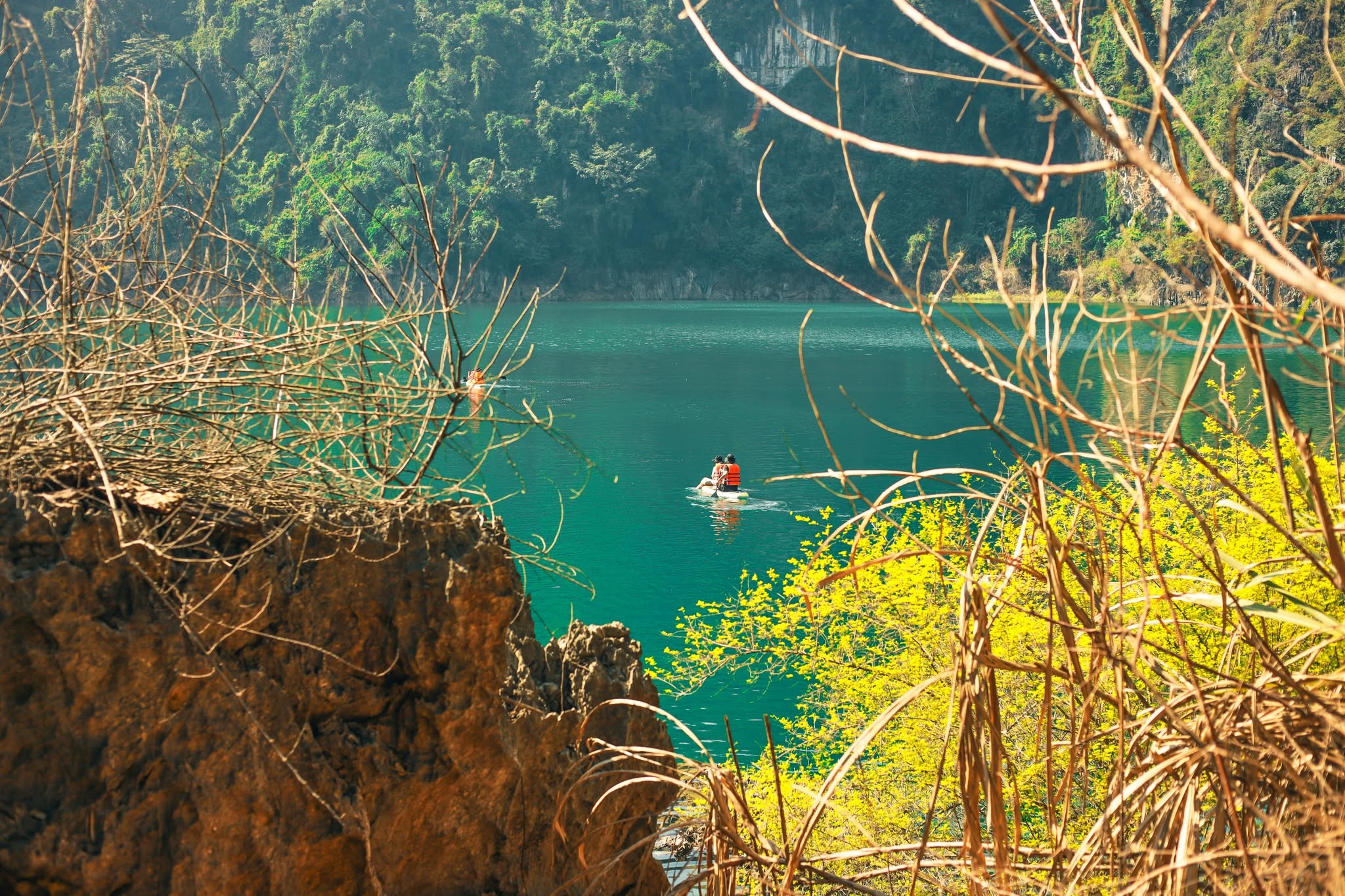
When is the best time to go to Da Giang? (Source: Collected)
The summer months of June through August bring the lushest, greenest scenery of the year and higher water levels in the lake, but this period doubles as the rainy season across northwestern Vietnam, so trail conditions become far more weather-dependent. December through February, on the other hand, brings cooler temperatures and frequent morning mist rolling across both the lake and surrounding hills - a look that photographers tend to love, even if it means dressing warmly for the early start. Whichever season you choose, it's worth checking the forecast right before you go and avoiding major holidays or busy weekends if a quiet, easy-to-book experience matters to you.
A Sample One-Day Itinerary You Can Actually Follow
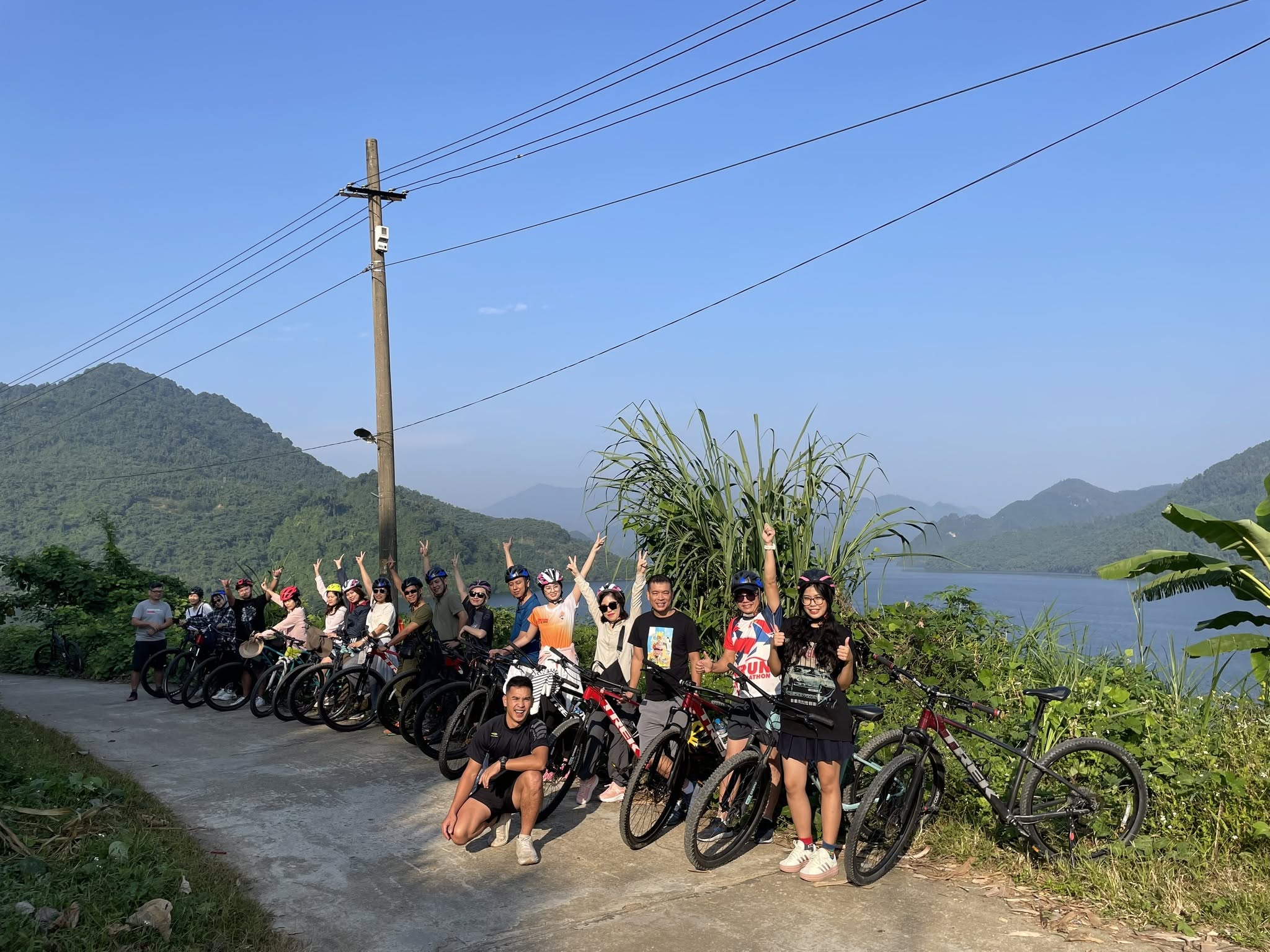
Trying many things when you go to trekking Da Giang (Source: Collected)
If you're working with a single day, Da Giang and Ngoc Eye Lake are entirely doable without an overnight stay, and having a rough schedule in mind helps you avoid rushing the best parts. Setting out early is the key move here - leaving by around 5:30 to 6:00 AM keeps you ahead of both the midday heat and any weekend crowds, and gets you to the Ngoi Hoa or Thung Nai boat pier by roughly 8:00 AM, giving you time for a quick breakfast before the water crossing.
From there, the middle of the day follows a natural rhythm: a boat ride across Hoa Binh Lake from about 8:30 to 9:30 AM lets you take in the islands and cliffs before the trek begins, followed by roughly an hour of walking through forest trail to reach Ngoc Eye Lake by mid-morning. The next stretch, from around 10:30 AM to noon, is built for slowing down - swimming, photography, paddling if it's available, or simply resting after the walk in before heading back toward the boat.
The afternoon is where you can build in flexibility depending on your energy levels. A return boat trip followed by lunch featuring local specialties like grilled Da River fish, bamboo-tube rice, or sticky rice gives you a proper break before the drive back, and many travelers use the early afternoon to explore Ngoi Hoa Bay further or pick up a few local souvenirs from nearby villages. Departing by around 3:00 PM typically gets you back to Hanoi, or your resort, before evening - though if you'd rather slow the whole day down, splitting the same itinerary across two days with an overnight stay in the Hoa Binh area gives you far more breathing room to enjoy each stop.
Safety Tips and What to Pack Before You Set Off
A little preparation goes a long way on this trek, starting with the decision to go with a group or a local guide rather than heading out entirely alone, especially on your first visit. Some sections of the forest trail have limited signage, so having someone who knows the terrain reduces the chance of taking a wrong turn, and it also means you'll have someone on hand who understands current water conditions before you decide whether to swim. Checking the weather forecast and recent lake-level updates before you leave is equally important, since heavy rain can both worsen trail conditions and change how the boat crossing feels.
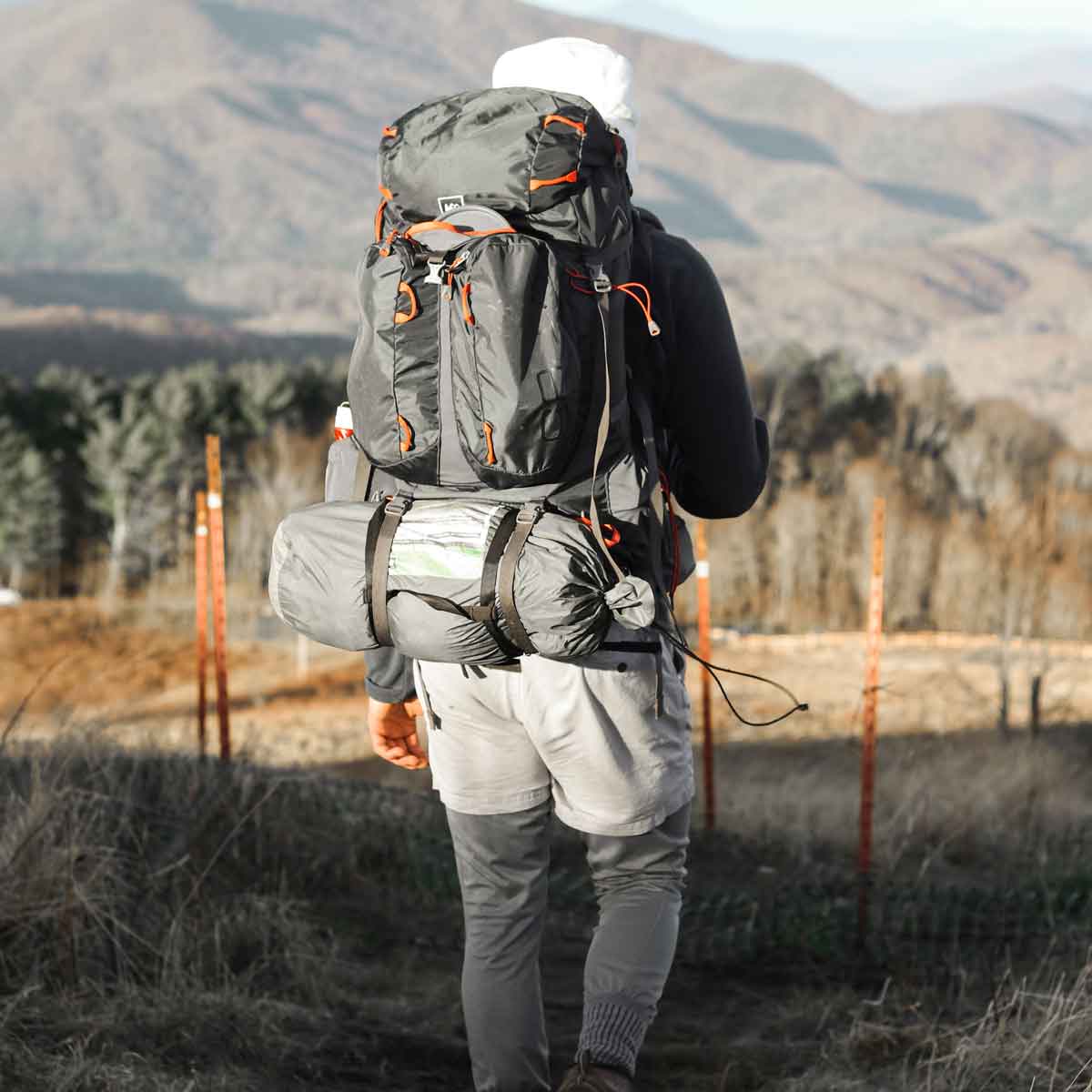
Preparing before you go to trekking is very important (Source: Collected)
Water safety deserves its own mention, since swimming and paddling are such a central part of the Ngoc Eye Lake experience. Stick to areas your guide identifies as safe, wear a life jacket during any boat transfer, and avoid swimming out toward deeper water or spots where currents might be stronger than they look from the shore. It's also worth telling someone - whether that's your resort's front desk or a travel companion back home - roughly what your day's plan looks like, particularly if you're heading out in a small, independent group rather than a larger organized tour.
Packing smart makes the day noticeably more comfortable, given that you'll be combining a boat ride, a forest walk, and possibly some time in the water. Grippy trekking shoes or sturdy sneakers, quick-drying clothing, a swimsuit and spare change of clothes, sun protection, and a waterproof bag for your phone or camera cover most of what you'll need. A portable phone charger is worth adding too, since signal can be patchy once you're deep in the forest or out on the lake, and having enough battery left for navigation or an emergency call matters more here than it would on a more developed tourist route.
Staying at Mai Chau Hideaway Lake Resort: Your Base for Exploring Da Giang
If a single day feels rushed, pairing your Da Giang trek with a night or two at Mai Chau Hideaway Lake Resort turns the trip into something far more relaxed. The resort sits directly on Hoa Binh Lake, putting you within easy reach of both the Ngoi Hoa Bay area and the Ngoc Eye Lake trailhead, while giving you a genuinely quiet place to unwind once you're back from a day of walking and swimming. For travelers who'd rather spread this experience across two calmer days instead of squeezing everything into one, the location works strongly in your favor.
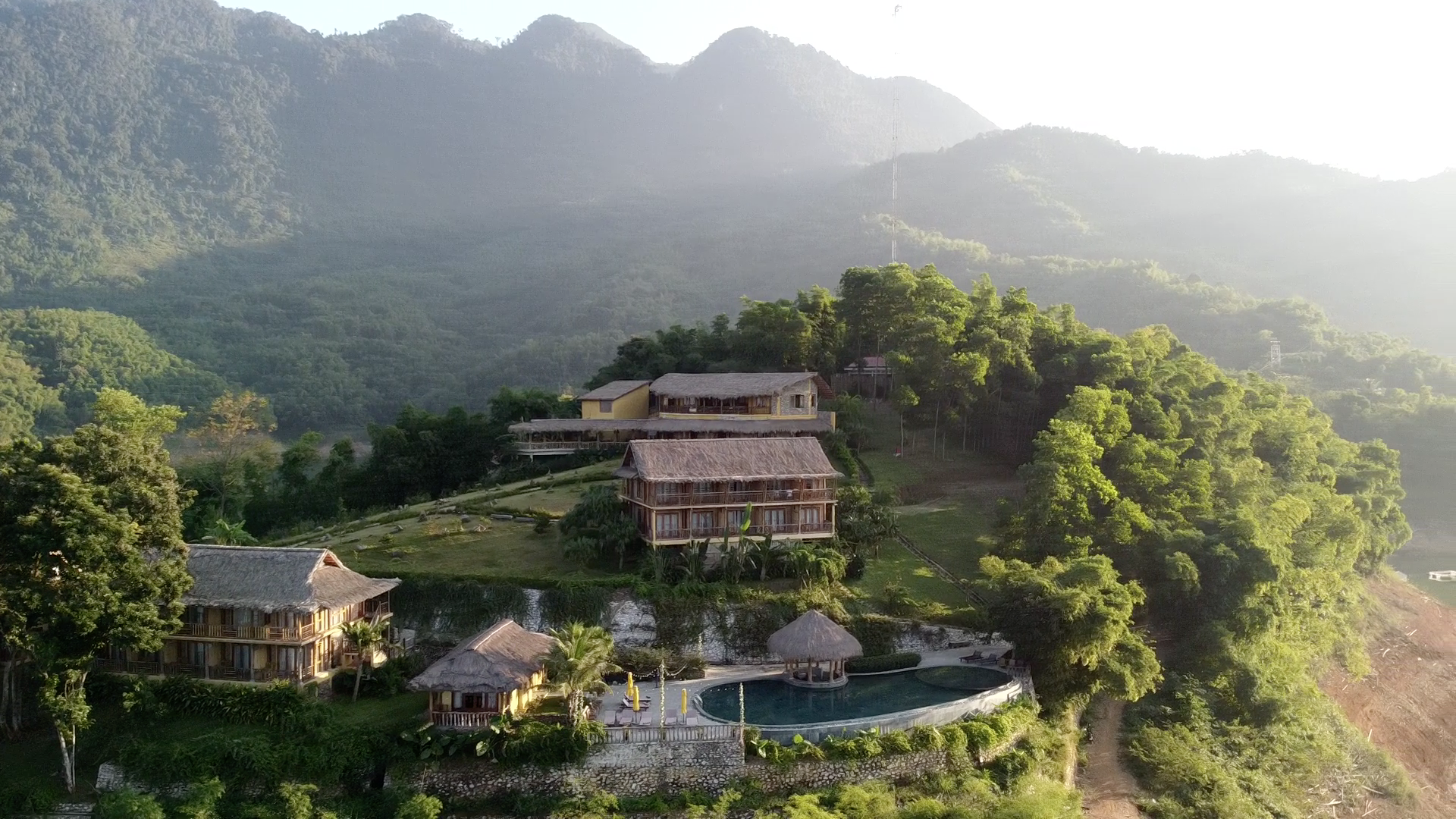
Mai Chau Hideaway Lake Resort
Staying here also means the resort itself becomes part of the experience rather than just a place to sleep. The 31 lake-facing rooms follow a Rustic design inspired by the traditional stilt houses of the Thai and Muong communities, and most come with a private balcony looking directly out over Hoa Binh Lake - a fitting way to end a day spent exploring the same waterway on foot and by boat. After a trek, the resort's natural-stone infinity pool at the water's edge is exactly the kind of spot you'll want for recovering, and it's a far more comfortable way to keep enjoying lake views than heading straight back into the car.
Beyond rest, the resort offers its own slate of activities that pair naturally with a Da Giang day trip, including kayaking, cycling routes through nearby villages, and visits to Go Lao Waterfall for travelers who want to keep exploring the region. Bamboo Restaurant on-site serves Northwestern Vietnamese dishes prepared by local staff, including grilled Da River fish, bamboo-tube rice, and black sticky rice, giving you an easy way to close out the day with the same regional flavors you might have sampled near the lake. Reach out to the resort's team directly for help planning your itinerary or arranging your boat and trekking logistics in advance.
Frequently Asked Questions
Is Da Giang the same place as Hoa Binh Lake?
→ Not exactly - "Da Giang" refers to the Da River itself, while Hoa Binh Lake is the reservoir formed where that river was dammed. The trekking route to Ngoc Eye Lake starts from the Hoa Binh Lake shoreline, which is why the two names are often used together.
Do I need a guide to trek to Ngoc Eye Lake?
→ It's strongly recommended, especially on a first visit, since parts of the forest trail have limited signage and water conditions at the lake can change from day to day.
Can I visit Da Giang as a day trip from Mai Chau Hideaway?
→ Yes, and it's easier from the resort than from Hanoi, since you're already based in the Hoa Binh Lake area - the boat and trekking portion typically takes a half-day to a full day depending on your pace.
What should I bring for the boat crossing and the hike?
→ Grippy footwear, quick-dry clothing, a swimsuit, sun protection, and a waterproof bag for electronics cover the essentials, along with a portable charger in case signal is weak along the trail.